5 Min Read
Louisville is a city shaped by layers of architectural history. From early 20th-century neighborhoods filled with handcrafted details to post-war suburbs designed for growing families, the range of Louisville home styles is part of what gives the city its character. Each era brought different priorities, like how homes were laid out, how rooms were used, and how materials were chosen, and those decisions still influence how homes function today.
As lifestyles change, many homeowners begin asking the same questions: What are the most common home styles in Louisville? Are older homes in Louisville worth remodeling? And how do you update them without erasing what makes them special? Understanding the strengths and limitations of each architectural style is the first step in making smart, lasting decisions about Louisville home remodeling that respects both the home’s history and the way people live now.
Here’s a sneak peek:
- Louisville’s Architectural Personality
- Historic + Classic Styles
- Mid-Century & 70s–80s Suburban Homes
- New Urban + Custom Builds
- Are Louisville Homes Worth Remodeling?
- Common Challenges
- Modernize Without Losing Character
- Bringing It All Together
- Ready to Start?
Louisville’s Architectural Personality
Louisville’s housing stock reflects a city that grew steadily over time rather than all at once. Unlike cities defined by a single architectural era, Louisville neighborhoods were shaped by waves of development, each responding to the needs, materials, and lifestyles of the moment.
This layered growth is why Louisville home styles can vary dramatically from one neighborhood to the next. A historic Craftsman may sit just minutes from a mid-century ranch or a traditional suburban two-story. Each home tells a story, but each also comes with its own constraints when it comes to modern living.
Understanding that architectural context matters. The most successful Louisville home remodeling projects begin with a clear understanding of how a home was originally designed to function, where it excels, and where thoughtful updates can improve comfort, efficiency, and flow without erasing its character.
Historic + Classic Styles
Craftsman Bungalows (Highlands, Cherokee Triangle)
Craftsman homes in Louisville are known for their human scale and craftsmanship. Built in the early 1900s, these homes emphasize quality materials and intentional details rather than square footage.
Defining characteristics include:
- Low-pitched roofs and wide front porches
- Exposed rafters and decorative brackets
- Built-in cabinetry and detailed wood trim
While these features give Craftsman homes their charm, they also influence how the interiors function today.
Common remodeling challenges
- Small, enclosed kitchens
- Limited storage
- Aging mechanical systems
When homeowners ask how to modernize an older home like a Craftsman, the answer is rarely “open everything up.” Instead, successful updates focus on balance.
Modernization strategies
- Partial open-concept renovation to improve flow while retaining structure
- Kitchen updates that respect original proportions and materials
- Necessary plumbing and electrical updates done behind the scenes
- Discreet energy efficiency upgrades that don’t alter the home’s appearance
The goal is not transformation for its own sake, but evolution and allowing the home to function better while remaining recognizably Craftsman.
Colonial & Georgian Homes (Anchorage, Glenview)
Colonial and Georgian homes represent some of the most formal and traditional homes in Louisville. These residences were designed around symmetry, hierarchy, and clearly defined rooms.
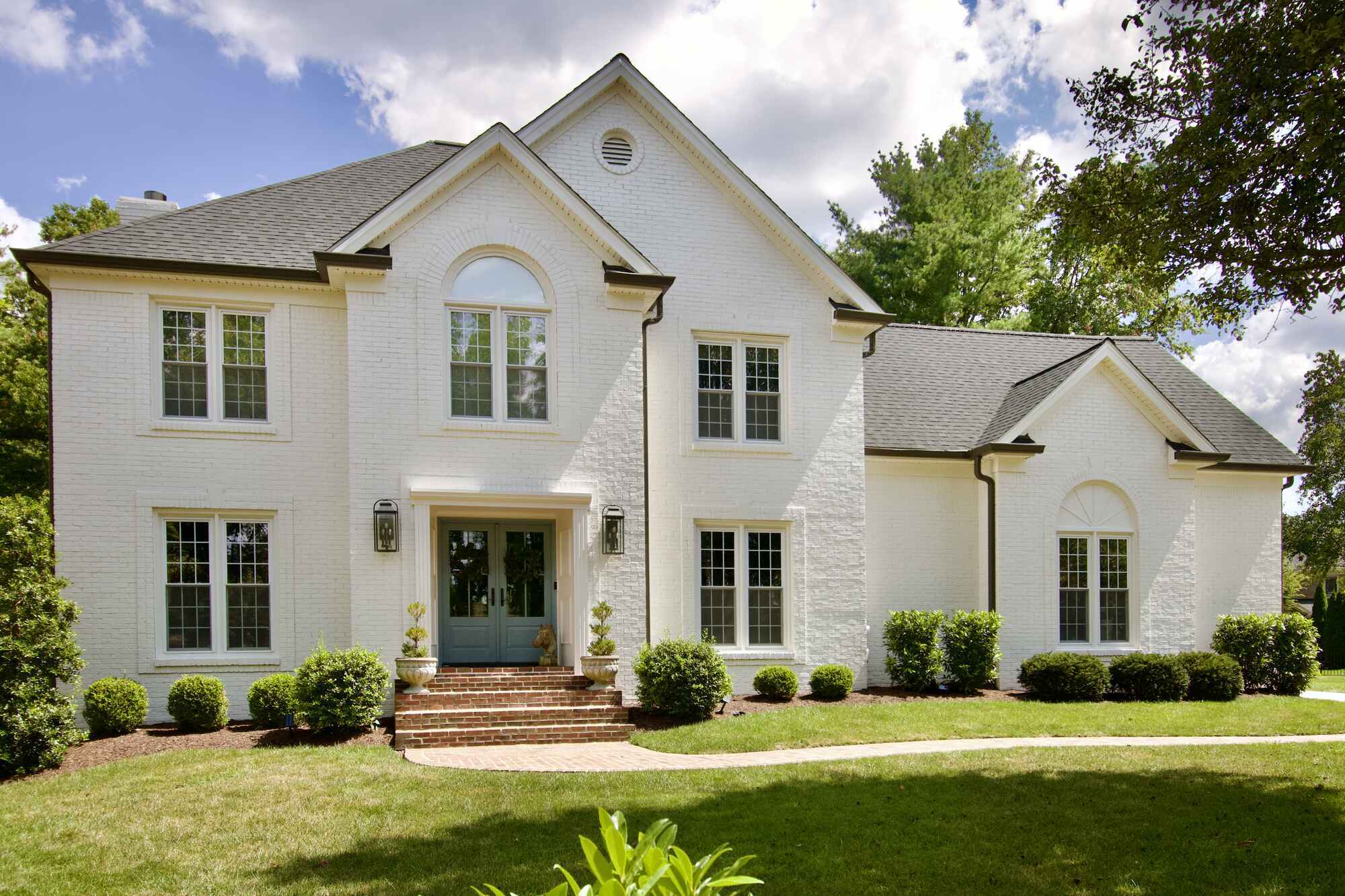
What sets these homes apart
- Formal entryways and stair halls
- Separate dining, living, and kitchen spaces
- Strong exterior symmetry
While architecturally refined, these layouts can feel restrictive for modern households.
Common homeowner concerns
- Kitchens disconnected from daily living spaces
- Underused formal rooms
- Inefficient circulation
Rather than removing walls indiscriminately, effective Louisville home remodeling in these homes focuses on improving relationships between spaces.
Thoughtful updates often include
- Strategic layout reconfiguration to connect kitchens and living areas
- Enlarged openings that preserve room definition
- System upgrades and code compliance for older homes
Because these homes often predate modern building standards, planning must account for structural realities early in the process.
Mid-Century & 70s–80s Suburban Homes
Ranch & Split-Level Homes (St. Matthews, Jeffersontown)
Ranch and split-level homes are among the most popular home styles in Louisville, particularly in post-war neighborhoods. These homes were built for efficiency and affordability, not long-term adaptability.
Typical characteristics
- Low rooflines
- Segmented interior layouts
- Limited natural light
Despite these challenges, they offer excellent remodeling potential.
Common issues homeowners want to address
- Dark or closed-off kitchens
- Awkward circulation between levels
- Low ceilings that make spaces feel compressed
Modernization opportunities
- Opening kitchens to adjacent living spaces where structure allows
- Improving vertical and horizontal circulation
- Addressing structural considerations before removing walls
When planned carefully, these homes often benefit greatly from a whole home remodel that Louisville homeowners pursue to unify the layout rather than treating rooms individually.
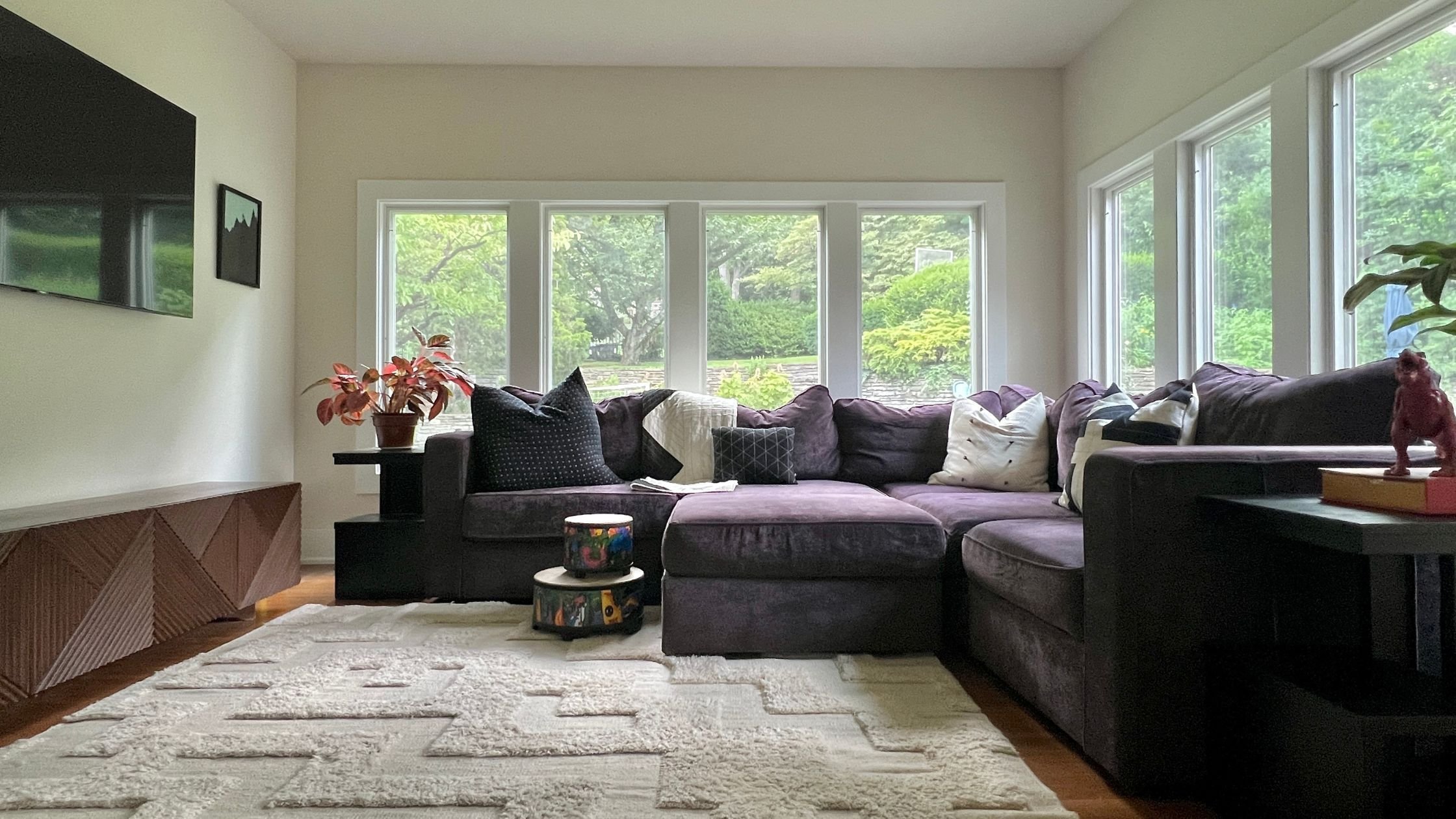
Traditional Suburban Two-Stories (Prospect, Hurstbourne, Lake Forest)
Two-story suburban homes built in the 1970s through 1990s are often spacious but inefficient. While square footage is rarely the issue, how that space is utilized is frequently the concern.
Common layout challenges
- Closed-off kitchens
- Oversized foyers with little functional value
- Disconnected family spaces
High-impact remodeling priorities
- Kitchen reconfiguration or expansion
- Mudroom and storage additions
- Primary suite and bathroom upgrades
A well-planned kitchen remodel in these homes often becomes the anchor for broader updates, while a targeted bathroom remodel can also significantly improve daily comfort.
Because these homes are often updated in phases, a coordinated design-build process helps ensure consistency across time.
New Urban + Custom Builds
Norton Commons & Newer Developments
Newer communities like Norton Commons reflect modern planning ideals, but even recently built homes may not fully align with how homeowners actually live.
Common motivations for remodeling newer homes
- Builder-grade finishes
- Limited storage or customization
- Evolving family needs
In these cases, home renovation projects tend to focus on refinement rather than correction.
Typical updates include
- Custom kitchens and built-ins
- Improved storage solutions
- Enhanced outdoor living spaces
- Targeted energy efficiency upgrades
Are Older Homes in Louisville Worth Remodeling?
For many homeowners, the answer is yes. Older homes in Louisville often offer advantages that are difficult to replicate today, such as established neighborhoods, mature trees, and architectural character.
However, remodeling these homes requires realistic expectations.
Key considerations
- System upgrades and hidden conditions
- Long-term durability and performance
- Budget and timeline flexibility
A successful whole home remodel in Louisville balances preservation with modern performance, ensuring the home remains comfortable and functional for decades to come.
What Are the Challenges of Remodeling Older Homes?
The biggest challenges are rarely cosmetic. Older homes often require:
- Extensive plumbing and electrical updates
- Structural reinforcement or modification
- Improved insulation and mechanical efficiency
- Careful attention to code compliance for older homes
These factors make planning especially important. A thoughtful design-build remodeling approach helps identify constraints early and align expectations before construction begins.
How Do You Modernize an Older Home Without Losing Its Character?
Modernization doesn’t have to mean stripping a home of its personality. In fact, the most successful renovations often emphasize contrast by pairing original materials with clean, contemporary updates.
Key principles include preserving defining architectural features, making intentional layout improvements, and investing in behind-the-scenes upgrades that improve comfort and reliability. When done well, modern updates feel like a natural continuation of the home rather than a departure from it.
Bringing It All Together
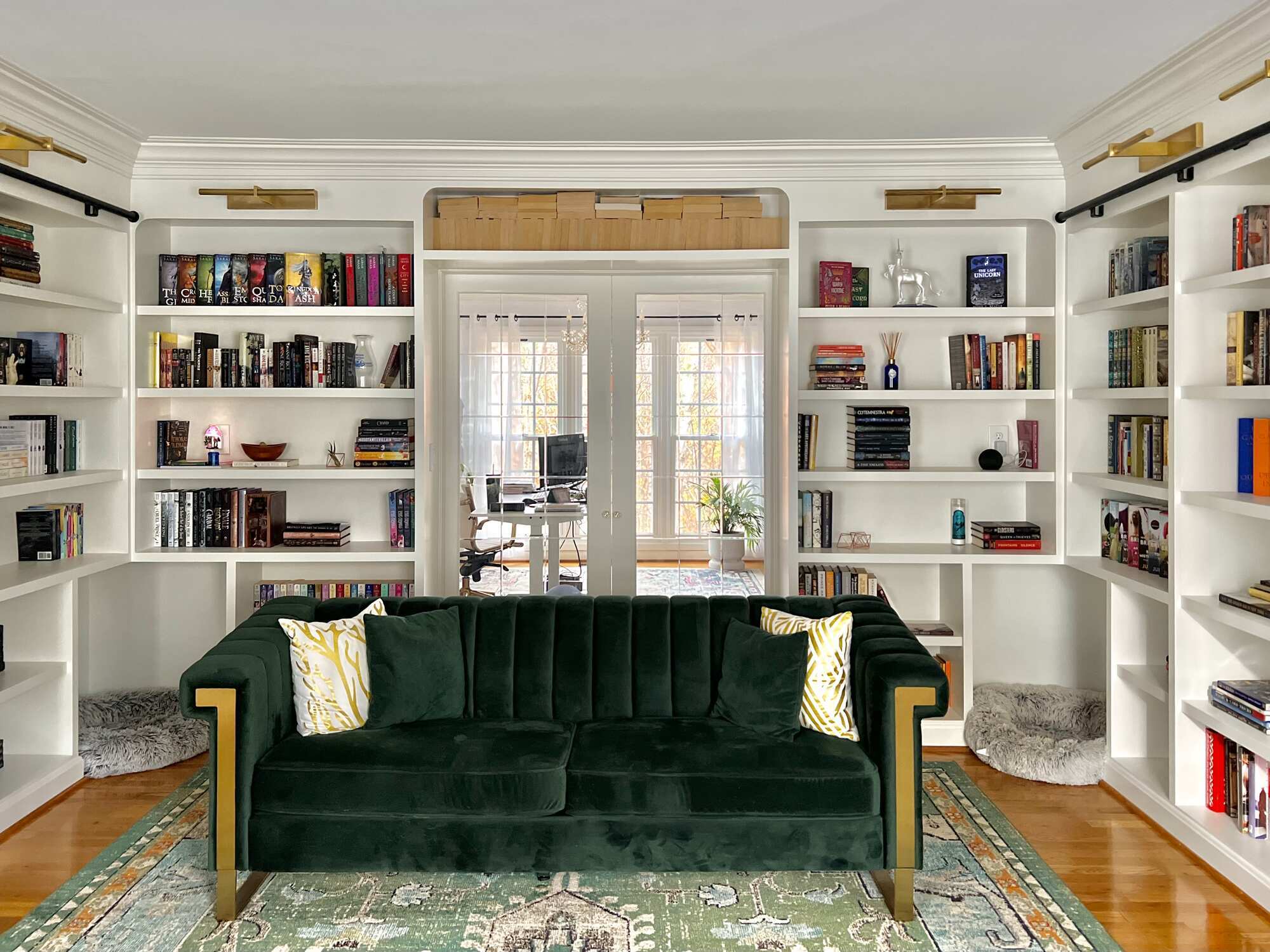
Louisville’s architecture reflects its history, its neighborhoods, and the people who have lived in it for generations. Understanding the strengths and limitations of different Louisville home styles allows homeowners to make informed decisions about remodeling, whether that means a focused kitchen update or a comprehensive transformation.
As projects become more complex, working with an experienced Louisville remodeler or Louisville remodeling contractor who understands local construction, planning requirements, and long-term performance can make the process clearer and more predictable. The best remodeling outcomes don’t just update a home; they help it work better for the people living in it today, while honoring what made it worth preserving in the first place.
Ready to Modernize Your Louisville Home?
Modernizing a home, especially one with architectural character, requires thoughtful planning, technical expertise, and a clear process. Trade Works Remodeling focuses on Louisville home remodeling that respects how a home was built while adapting it for how people live today, using a proven design-build process to guide each project from planning through construction.
Connect with Trade Works Remodeling to start planning your project with clarity and confidence!