4 Min Read
There’s something special about owning one of Louisville’s older, established homes. Whether it’s a stately Victorian in Old Louisville or a charming Craftsman near Cherokee Park, these homes have stories to tell. But if you’re considering updating one, it’s important to understand both the charm and the challenges that come with an older home renovation in Louisville, KY.
Renovating an older property can be one of the most rewarding projects a homeowner undertakes, but it also comes with complexities that require foresight, patience, and the right approach.
Here’s what you should know before you dive in:
- The Charm and Challenge
- Understanding “Older Home"
- Plan the Work
- Anticipate Challenges
- Blend Old and New
- Budget Realistically
- Choose the Right Partner
- What to Know
- Louisville’s Legacy
- Begin Your Renovation
The Charm and Challenge of Louisville's Older Homes
Louisville’s established neighborhoods, like St. Matthews, the Highlands, Cherokee Triangle, and Crescent Hill, are rich in architectural detail and character. Intricate woodwork, high ceilings, and ornate moldings are part of what make these homes so beloved.
But those same features also introduce unique complications. Many old Louisville homes were built before modern electrical, plumbing, and HVAC systems existed. Foundations may have settled. Walls may hide lead paint or outdated wiring. Materials used a century ago often aren’t readily available today.
That’s why renovating old homes in Louisville requires more than enthusiasm; it requires expertise, patience, and a plan.
Understand What "Older" Means in Louisville
In Louisville, homes in certain neighborhoods fall under preservation or overlay districts governed by the Louisville Metro Landmarks Commission.
If your property lies within one of these districts, exterior renovations—like window replacements, porch updates, or additions—often require prior approval. This ensures any work preserves the neighborhood’s architectural integrity.
If you’re unsure whether your home is regulated, you can contact the Landmarks Commission or work with Louisville historic home contractors who are experienced in navigating these rules. They can help you identify what permits and approvals are required, so your project doesn’t hit unnecessary delays.
Plan the Work, Then Work the Plan
The most successful vintage home remodeling projects begin long before demolition day. Careful planning through detailed design meetings, precise measurements, trade walkthroughs, and a transparent timeline lays the groundwork for success.
A structured plan also helps anticipate the unexpected. When working with older homes, surprises behind the walls are nearly inevitable. Having a clear process ensures every discovery can be handled efficiently and cost-effectively.
Anticipate the Unique Challenges of Older Renovations
There’s no sugarcoating it; the challenges of renovating old houses can be significant. But with the right expectations and professional guidance, they’re entirely manageable.
Here are some common problems in old Louisville homes:
- Outdated plumbing and electrical systems – Knob-and-tube wiring and galvanized pipes often require full replacement.
- Settled foundations or uneven floors – Decades of shifting soil and structural movement can lead to sloping floors that need specialized correction.
- Hidden moisture damage or mold – Water intrusion from outdated materials may go unnoticed for years.
- Lead paint and asbestos – Common in pre-1978 homes and must be safely remediated by certified professionals.
- Custom millwork and non-standard sizes – Doors, trim, and moldings often require replication rather than replacement.
Working with experienced Louisville home contractors means these challenges are identified early and resolved thoughtfully, protecting your investment and your home’s character.
Blending Old and New Thoughtfully
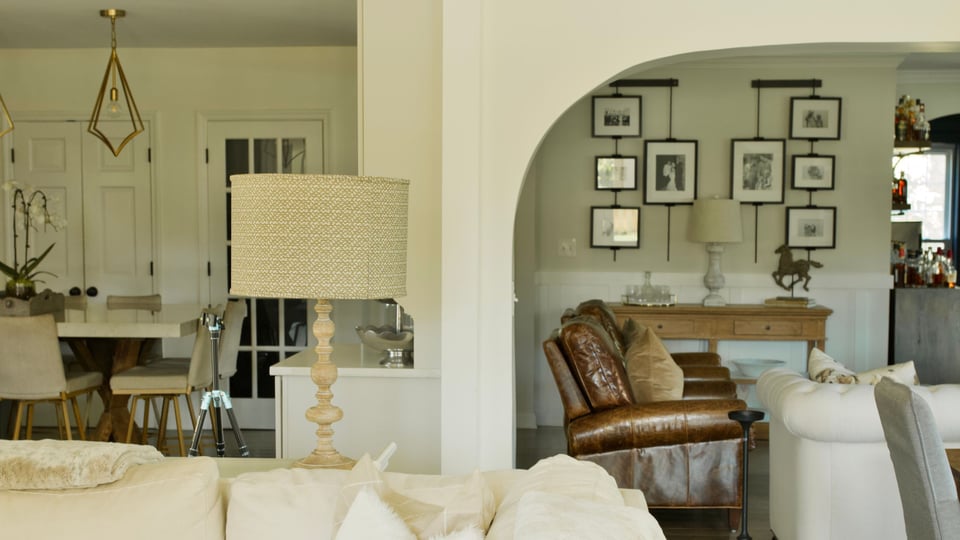
The best old house restoration in Louisville honors a home’s original design while making it functional for modern life. The goal isn’t to erase history, but to elevate it.
Here’s how to update older homes with modern amenities while keeping their charm intact:
- Preserve defining architectural details. Keep original fireplaces, wood trim, and transom windows whenever possible.
- Complement the old with the new. For example, quartz countertops and inset cabinetry can balance modern function with period appeal.
- Disguise modern upgrades. Conceal HVAC ducts, wiring, and smart home systems behind millwork or within existing chases.
- Choose lighting with intention. Layered lighting enhances craftsmanship and improves everyday usability.
Homeowners often ask how to modernize an established home without losing charm, and the answer lies in restraint. Respect what makes the home unique, and let every improvement feel like it belongs.
Budget Realistically
Because older homes tend to hide surprises, realistic budgeting is essential. A good rule of thumb is to include a 10–20% contingency for unforeseen conditions like hidden rot, structural issues, or material delays.
Focus your spending where it matters most: structural integrity, energy efficiency, and long-term comfort. Aesthetic updates can follow once the “bones” are sound.
Experienced professionals in home remodeling in Louisville, KY, know how to balance priorities. They’ll help you understand cost implications early so you can make informed choices about where to invest for maximum impact.
Choose the Right Partner
Not all contractors are prepared for the nuances of remodeling older homes in Louisville. These projects demand a mix of technical skill, creative problem-solving, and respect for architectural heritage.
When selecting remodeling contractors in Louisville, KY, look for teams that offer:
- Proven experience with vintage home renovation projects.
- Transparent communication and detailed project planning.
- A documented process, not just informal promises.
- Verified references and clear examples of similar work.
Partnering with an established home remodeling company that understands your home’s era, materials, and design principles will ensure every detail is handled with care, from millwork replication to finish selections.
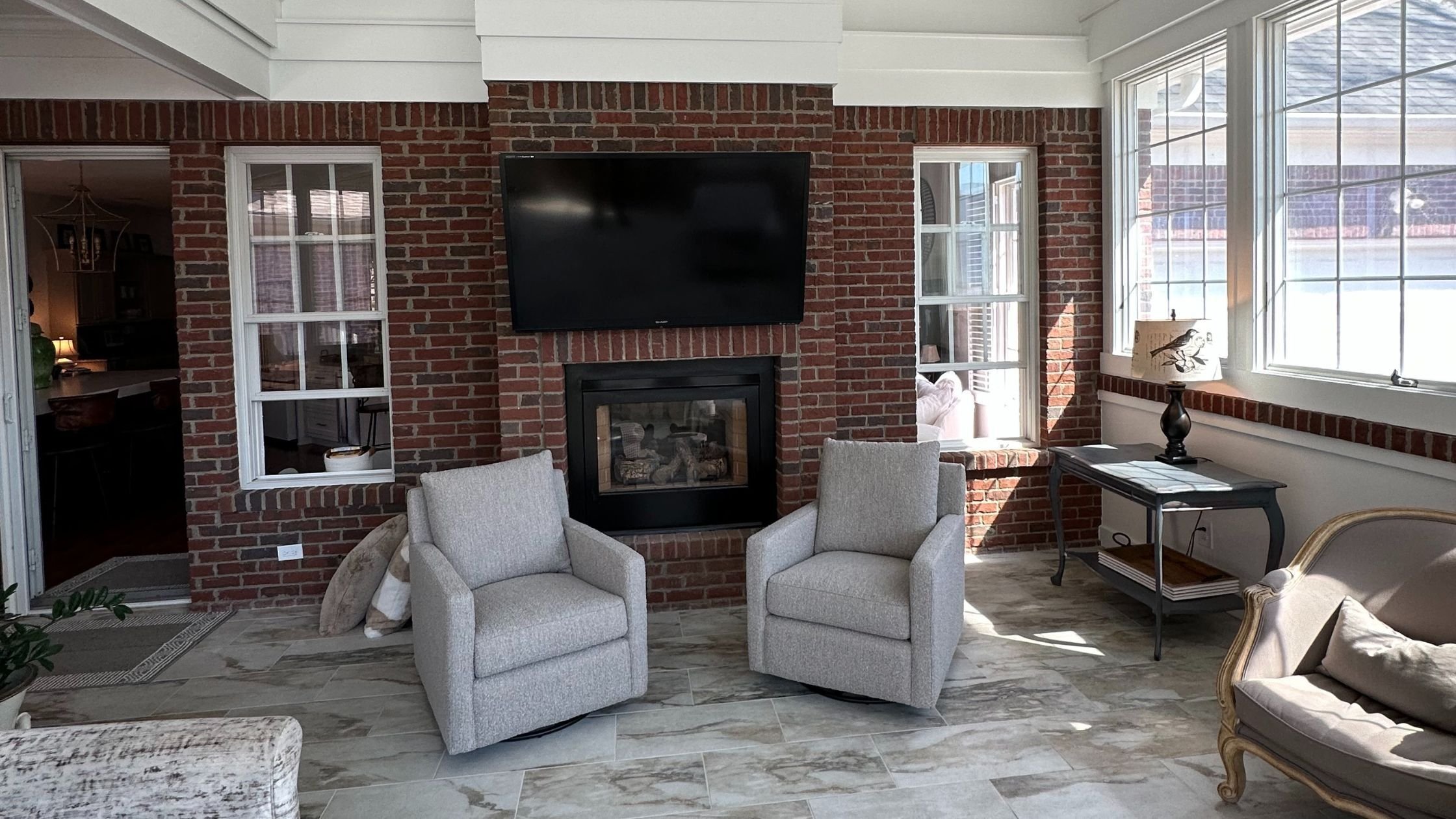
Check out a recent project we completed in Anchorage:
What to Know Before Renovating an Older Home
Before your renovation begins, keep these essentials in mind:
- Do your research. Confirm your home's status and local preservation requirements.
- Prioritize planning. The more details resolved up front, the fewer surprises later.
- Budget beyond the obvious. Hidden repairs are common—expect them.
- Preserve the character. Focus on restoration before replacement whenever possible.
- Stay flexible. Older homes rarely follow a script, and adaptability keeps progress moving.
These older home remodeling tips can help you prepare for the realities and rewards of restoring a piece of Louisville’s history.
Preserving Louisville's Legacy
Every renovation in an older neighborhood is more than a construction project; it’s an opportunity to protect part of the city’s architectural identity. When done thoughtfully, it honors the craftsmanship that shaped Louisville while creating spaces that meet the needs of modern living.
A well-executed house restoration in Louisville ensures your home remains both timeless and practical. It’s not just about improving a property; it’s about contributing to the enduring story of the city itself.
Begin Your Home Renovation with Trade Works Remodeling
When it’s time to breathe new life into an older property, experience matters. Trade Works Remodeling brings craftsmanship, clarity, and care to every project, especially when it comes to vintage home renovation in Louisville, KY. Our team understands how to preserve the details that make your home unique while modernizing the spaces where you live every day.
Ready to start planning your renovation? Contact Trade Works Remodeling today to schedule your consultation and discover how we can help you turn your established home into the best version of itself.