9 Min Read
Keeping up with home maintenance can feel overwhelming, especially when every season brings a new list of things to check, clean, repair, or schedule. And if you have ever had a small issue turn into a bigger repair, you already know how quickly deferred maintenance can get expensive.
Instead of trying to remember everything at once, this guide breaks your home maintenance schedule into manageable monthly checks, quarterly maintenance, seasonal tasks, and an annual review. You can use it to build your own home maintenance list, decide what to handle yourself, and know when it makes sense to call Tradeworks for help.
In short: this post gives Louisville homeowners a practical monthly, quarterly, seasonal, and annual home maintenance checklist to help prevent costly repairs and make home care easier to manage year-round.
In this blog, you'll learn about:
- Why a Home Maintenance Schedule Matters in Louisville
- How to Use This Home Maintenance Schedule
- Monthly Home Maintenance Checklist
- Quarterly Maintenance Checklist
- Seasonal Home Maintenance Checklist
- Annual Home Maintenance Checklist
- What to Do With Your Home Maintenance List
- Protect Your Home Before Small Problems Become Expensive Repairs
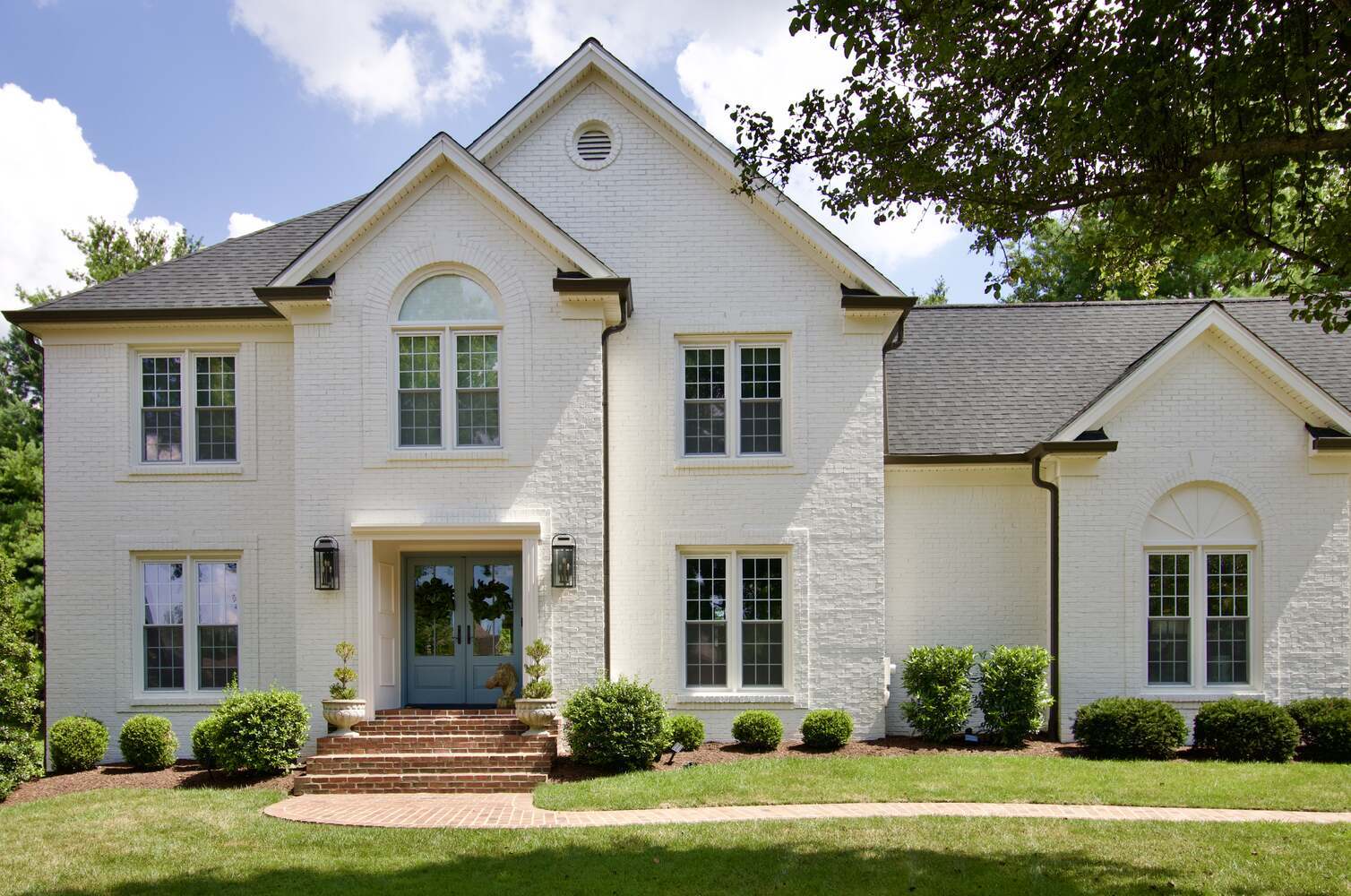
Why a Home Maintenance Schedule Matters in Louisville
Louisville homes deal with a little bit of everything: heavy spring rain, humid summers, falling leaves, sudden storms, and freezing winter temperatures. Over time, those conditions put stress on every part of a home.
Tradeworks often sees expensive repairs that start as small, preventable issues. A backed-up gutter, failed caulk line, poor drainage, or slow leak may not seem urgent at first, but those problems can get expensive quickly when they go unnoticed.
A good home maintenance plan is less about doing more work and more about staying ahead of predictable problems. When you check the right things at the right time, many issues can be caught early, prioritized, and repaired before they turn into larger headaches.
A consistent homeowner’s maintenance checklist gives you a simple rhythm to follow throughout the year. Instead of waiting for something to break, you can use each season as a reminder to inspect, clean, repair, and plan ahead.
How to Use This Home Maintenance Schedule
The easiest way to stay ahead of home repairs is to break maintenance into smaller pieces:
- Monthly tasks
- Quarterly tasks
- Seasonal tasks
- Annual tasks
The simple version: Check your home monthly for leaks, safety issues, and obvious damage. Do a deeper review every quarter. Use each season to prepare for Louisville’s weather, and complete one annual home audit to plan repairs before they become urgent.
And if keeping up with all of this still feels like a lot, that is exactly why Tradeworks offers a quarterly home maintenance program for Louisville homeowners. You can use this checklist on your own or use it as a guide for the kinds of issues Tradeworks can help monitor and address during regular home care visits.
Monthly Home Maintenance Checklist
Your monthly home maintenance checklist should be quick and simple. These are the items worth checking every month.
- HVAC and air quality
- Check or replace HVAC filters.
- Pay attention to unusual HVAC noises or weak airflow.
- Safety devices
- Test smoke detectors.
- Test carbon monoxide detectors.
- Replace batteries as needed.
- Plumbing
- Look under sinks for leaks, stains, soft cabinet bottoms, or musty smells.
- Inspect toilets for leaks, movement, or moisture around the base.
- Check tubs and showers for loose caulk, cracked grout, or soft flooring.
- Run water in rarely used sinks, tubs, showers, and floor drains.
- Check the water heater area for moisture, rust, or dripping.
- Kitchen
- Clean the kitchen range hood filter.
- Check around the dishwasher and refrigerator water line, if applicable.
- Interior signs of damage
- Look at ceilings and walls for new stains or bubbling paint.
- Check around windows for condensation, drafts, or moisture.
- Exterior walkaround
- Walk around the outside of the home.
- Look for loose trim, damaged siding, clogged downspouts, standing water, or anything that looks out of place.
- Repair planning
- Add any small issues to your running home maintenance list.
- Prioritize anything involving water, safety, or exterior damage.
These quick checks help you catch obvious problems before they turn into expensive repairs.
Call a pro if you notice: active leaks, soft flooring, water stains, recurring moisture, electrical issues, exterior damage, or anything that looks unsafe.
Quarterly Maintenance Checklist
Quarterly maintenance gives you a more complete look at your home every few months. This is especially useful in Louisville because each season creates different wear and tear. A quarterly rhythm is often easier to maintain than a once-a-year scramble, and it helps you spot issues before they sit through an entire season.
- Gutters & drainage
- Inspect gutters and downspouts.
- Make sure downspouts drain away from the foundation.
- Review grading and drainage around the home.
- Exterior condition
- Check exterior caulk around windows, doors, vents, hose bibs, and siding transitions.
- Look for peeling paint, soft wood, rot, or damaged trim.
- Check weatherstripping around exterior doors.
- Basement and crawlspace
- Check basements and crawlspaces for moisture or musty smells.
- Look for pest activity around the foundation, attic, basement, or garage.
- Decks, stairs, and railings
- Inspect decks, stairs, railings, and porches.
- Look for loose boards, popped fasteners, or wobbly railings.
- Plumbing and appliances
- Check plumbing shutoff valves under sinks and behind toilets.
- Look for leaks around appliances, including the dishwasher, washing machine, refrigerator, and water heater.
- HVAC
- Review HVAC performance.
- Listen for unusual sounds or changes in airflow.
- Repair planning
- Update your running repair list.
- Prioritize anything involving water, safety, exterior damage, or active leaks.
Call a pro if you notice: wood rot, recurring basement moisture, loose railings, plumbing leaks, roof damage, exterior gaps, pest activity, or gutters you cannot safely access.
Seasonal Home Maintenance Checklist
Each season brings a different set of maintenance priorities. Spring is usually about water and storm damage. Summer is about heat, humidity, and outdoor wear. Fall is about preparing for cold weather. Winter is about preventing frozen pipes, watching for leaks, and handling indoor repairs.
Use these seasonal checklists alongside your monthly and quarterly maintenance routine.
Spring Home Maintenance Checklist
Spring in Louisville usually means rain, storms, and rising humidity. This is the season to focus on drainage, exterior damage, roof concerns, and anything winter may have left behind.
- Gutters, roof & drainage
- Clean gutters and downspouts after winter debris and early spring storms.
- Inspect the roof from the ground for missing shingles, debris, or visible damage.
- Look at flashing around chimneys, vents, and roof transitions from the ground.
- Check grading after heavy rain and look for standing water near the foundation.
- Exterior surfaces
- Check for caulk damage after winter freeze-thaw.
- Look for peeling paint, soft wood, siding damage, or trim rot.
- Clean debris from window wells.
- Check exterior faucets and hose bibs for leaks.
- Basement, crawlspace, and attic
- Inspect basement walls and floors for dampness or musty odors.
- Check crawlspaces for moisture, pests, or damaged insulation.
- Inspect attic spaces for signs of leaks or poor ventilation.
- Decks, patios, and walkways
- Inspect outdoor living areas before use.
- Look for cracked concrete, uneven walkways, or trip hazards.
- HVAC and ventilation
- Service your HVAC system before cooling season.
- Clean dryer vents.
Call a pro if you notice: roof damage, soft wood, water stains, basement moisture, drainage issues, loose railings, or exterior repairs that require a ladder.
Summer Home Maintenance Checklist
Summer maintenance is about heat, humidity, outdoor wear, and keeping your cooling system running properly.
- HVAC and cooling
- Monitor cooling performance during heavy use
- Pay attention to rooms that are not cooling evenly.
- Listen for unusual HVAC noises.
- Look for condensation around vents, ducts, or windows.
- Humidity and ventilation
- Check bathrooms for mildew, peeling paint, or moisture buildup.
- Make sure bathroom exhaust fans are working.
- Inspect attic spaces for excessive heat or poor ventilation.
- Exterior surfaces
- Check exterior paint and stain for peeling, fading, or exposed wood.
- Inspect siding and trim for movement, cracks, or damage.
- Wash windows and inspect screens.
- Clean outdoor light fixtures.
- Landscaping and drainage
- Trim shrubs, vines, and branches away from siding, windows, rooflines, and HVAC units.
- Look for standing water near the home after summer storms.
- Outdoor plumbing
- Check outdoor faucets, hoses, and irrigation lines for leaks.
- Decks, patios, and concrete
- Check decks for splintering, loose boards, or sun damage.
- Repair planning
- Review your mid-year repair list.
- Prioritize small fixes before fall.
Summer is a good time to handle exterior caulking, trim repairs, deck repairs, door adjustments, and other projects before colder weather arrives.
Call a pro if you notice: HVAC issues, exterior rot, drainage problems, deck safety concerns, damaged siding, or recurring humidity problems indoors.
Fall Home Maintenance Checklist
Fall is one of the most important maintenance seasons. It is your chance to prepare your home before freezing temperatures, winter storms, and heavy leaf buildup.
- Gutters, roof, and drainage
- Clean gutters after leaves fall.
- Flush downspouts.
- Inspect the roof from the ground for visible issues.
- Windows, doors, and exterior sealing
- Seal gaps around windows and exterior doors before cold weather arrives.
- Address exterior caulk issues that should not wait until spring.
- Inspect and replace damaged weatherstripping.
- Plumbing and winterization
- Disconnect garden hoses.
- Winterize hose bibs if needed.
- Check the sump pump.
- Heating and safety
- Service the furnace or heating system.
- Confirm smoke and carbon monoxide detectors are working before the heating season.
- Attic, fireplace, and pests
- Check attic insulation.
- Look for signs of pests trying to enter the home.
- Inspect the fireplace, chimney, and flue if applicable.
- Exterior safety
- Check exterior lighting before shorter days.
- Inspect decks, stairs, and walkways for safety before ice and snow.
- Repair planning
- Review your repair list.
- Address anything that should not wait until spring.
Fall is a key part of any homeowner's maintenance checklist because many winter problems are easier to prevent than repair.
Call a pro if you notice: loose gutters, roof concerns, drafty doors, damaged caulk, sump pump problems, deck safety issues, or winterization tasks you are not comfortable handling.
Winter Home Maintenance Checklist
Winter maintenance is about monitoring your home, preventing frozen pipes, watching for drafts, and catching leaks early.
- Frozen pipe prevention
- Know where your main water shutoff is located.
- Keep garage doors closed during freezing weather if plumbing is nearby.
- Insulate exposed pipes where needed.
- Keep indoor temperatures consistent during cold snaps.
- Open cabinet doors below sinks during extreme cold if pipes are on exterior walls.
- Drafts and comfort
- Check around windows and doors for drafts.
- Look for condensation on windows.
- Monitor heating performance during cold snaps.
- Leaks and moisture
- Watch ceilings and walls for new stains after snow, ice, or heavy rain.
- Check attic areas for signs of moisture or leaks.
- Monitor basement walls and floors for dampness.
- Exterior winter safety
- Look for ice buildup around gutters and roof edges.
- Keep exterior vents clear of snow, leaves, or debris.
- Check that handrails, steps, and walkways are safe.
- Indoor repair planning
- Make a list of indoor repairs to handle during colder months.
- Consider drywall repair, trim work, fixture replacement, door adjustments, caulking, or small updates.
Winter is a good time to tackle interior projects, especially when outdoor work is limited by weather.
Call a pro if you notice: frozen pipes, active leaks, water stains, major drafts, attic moisture, ice-related gutter issues, or electrical concerns.
Annual Home Maintenance Checklist
In addition to your monthly, quarterly, and seasonal tasks, your annual home maintenance checklist should be a once-a-year home audit. This is where you review bigger-picture issues, schedule professional service, and decide what needs to be repaired or budgeted for next.
- Roof, gutters, and drainage
- Schedule a thorough roof review.
- Check gutters for sagging or loose sections.
- Review downspout placement.
- Look for recurring drainage issues.
- Note any foundation moisture concerns.
- HVAC and ventilation
- Schedule annual HVAC service.
- Review the age of your system.
- Check attic ventilation.
- Clean the dryer vent.
- Note rooms with comfort issues.
- Plumbing and water
- Inspect the water heater.
- Check visible supply lines.
- Test accessible shutoff valves.
- Look for recurring leaks.
- Note slow drains or pressure changes.
- Exterior surfaces
- Review paint, siding, trim, and caulk.
- Look for exposed wood.
- Note areas of rot or movement.
- Check window and door seals.
- Review deck and porch condition.
- Basement, crawlspace, and attic
- Look for recurring moisture.
- Check for musty odors.
- Look for pest activity.
- Review insulation condition.
- Note signs of roof leaks.
- Safety
- Check fire extinguishers.
- Review smoke detector age.
- Review carbon monoxide detector age.
- Check exterior lighting.
- Inspect handrails, steps, and walkways.
- Planning and budgeting
- Review your yearly home maintenance list.
- Look for repeat problems.
- Prioritize water and safety issues.
- Budget for larger repairs.
- Decide what needs professional help.
An annual review should not repeat every small monthly task. Think of it as a higher-level check: what is wearing out, what keeps coming back, and what should not wait another year?
Call a pro if you notice: water damage, roof concerns, electrical issues, plumbing leaks, recurring moisture, pest activity, structural movement, or repairs that require specialized tools or experience.
What to Do With Your Home Maintenance List
Once you start using a home maintenance schedule, you may end up with a list of small repairs, questions, and “keep an eye on this” items. The point of a checklist is to help you see what needs attention, what can wait, and what should be handled by a professional.
1. Prioritize the issues that can get expensive or unsafe
Start with anything involving water, safety, or exterior damage. Those are the issues most likely to turn into bigger repairs if they sit too long.
- Handle first
- Active leaks
- Basement moisture
- Gutter overflow
- Drainage toward the foundation
- Loose railings or damaged steps
- Electrical warning signs
- Roof stains or visible roof damage
- Plan soon
- Failed exterior caulk
- Peeling paint or exposed wood
- Damaged siding or trim
- Drafty windows or doors
- HVAC noises or uneven temperatures
- Slow drains or recurring plumbing issues
- Watch and budget for
- Cosmetic drywall repairs
- Minor trim damage
- Interior paint touch-ups
- Door adjustments
- Fixture updates
- Non-urgent comfort improvements
You do not have to fix everything at once. The goal is to keep small issues from becoming expensive surprises.
2. Decide what you can DIY
Some maintenance tasks are simple enough for many homeowners to handle on their own.
Good DIY tasks include:
- Replacing HVAC filters
- Testing smoke and carbon monoxide detectors
- Checking under sinks for leaks
- Running water in rarely used drains
- Cleaning accessible filters or vents
- Making a repair list
- Doing a basic visual walkaround
These tasks help you stay familiar with your home and notice when something changes.
3. Know when to call a Louisville, KY handyman
Other tasks are worth hiring out, especially if they involve ladders, moisture, exterior repairs, plumbing, electrical concerns, or safety issues.
Consider calling a professional for:
- Gutter work on tall homes
- Exterior rot or trim repair
- Roof or flashing concerns
- Deck, stair, or railing repairs
- Plumbing leaks
- Door and window adjustments
- Siding or caulk repairs
- Drywall repairs from water damage
- Recurring seasonal maintenance
If any of these issues grow a bit bigger than a one-off handyman fix, Tradeworks can also help with home improvement services in Louisville, KY that make your home more functional, comfortable, and ready for the next season.
4. Make maintenance easier with a quarterly home care plan
If you like the idea of staying ahead of repairs but do not want to manage the full checklist yourself, a quarterly home maintenance program may be the better fit.
Tradeworks’ quarterly home care program is designed for Louisville homeowners who want a consistent set of eyes on their home throughout the year. Instead of waiting until something breaks, regular maintenance visits can help you:
- Stay on a consistent home maintenance schedule
- Catch small issues before they become costly repairs
- Prioritize your repair list
- Address seasonal maintenance needs
- Get help with repairs that are easy to postpone
- Feel more confident that nothing important is slipping through the cracks
The biggest benefit is peace of mind. You do not have to remember every seasonal task or spend your weekends chasing down repairs. Tradeworks helps you keep your home on track with a practical plan, professional guidance, and reliable help when something needs attention.
Protect Your Home Before Small Problems Become Expensive Repairs
Home maintenance is about protecting your home, your time, and your budget from repairs that could have been prevented with the right plan.
With a consistent home maintenance schedule, you can catch small issues before they turn into larger problems. Keep up with monthly checks, stay consistent with quarterly maintenance, use each season to prepare for Louisville weather, and complete an annual home maintenance checklist to plan ahead.
And if keeping track of all of this feels like too much to manage on your own, Tradeworks can help. Our quarterly home maintenance program gives Louisville homeowners a reliable way to stay ahead of repairs, prioritize small issues, and keep their homes protected year-round.
Ready to make home maintenance easier? Contact us about a quarterly home care plan for your Louisville home.